Revolutionizing Education: How AI Agents Are Transforming Learning and Student Support
In this post, we are going to dive deep into the world of intelligent digital helpers in schools and universities. The purpose of this blog is to explain exactly what an AI agent for education is and why it matters right now. We aren't just talking about basic chatbots that give robotic answers. We are looking at advanced tools that can think, plan, and act to help students learn better.
The scope of this article covers everything from how these agents help students study to how they assist teachers with grading and planning. We will also look at how they connect with big school computer systems to make everything run smoothly. By the end, you will understand why schools everywhere are adopting this technology to solve big problems like teacher burnout and student disengagement.
What is an AI Agent for Education?
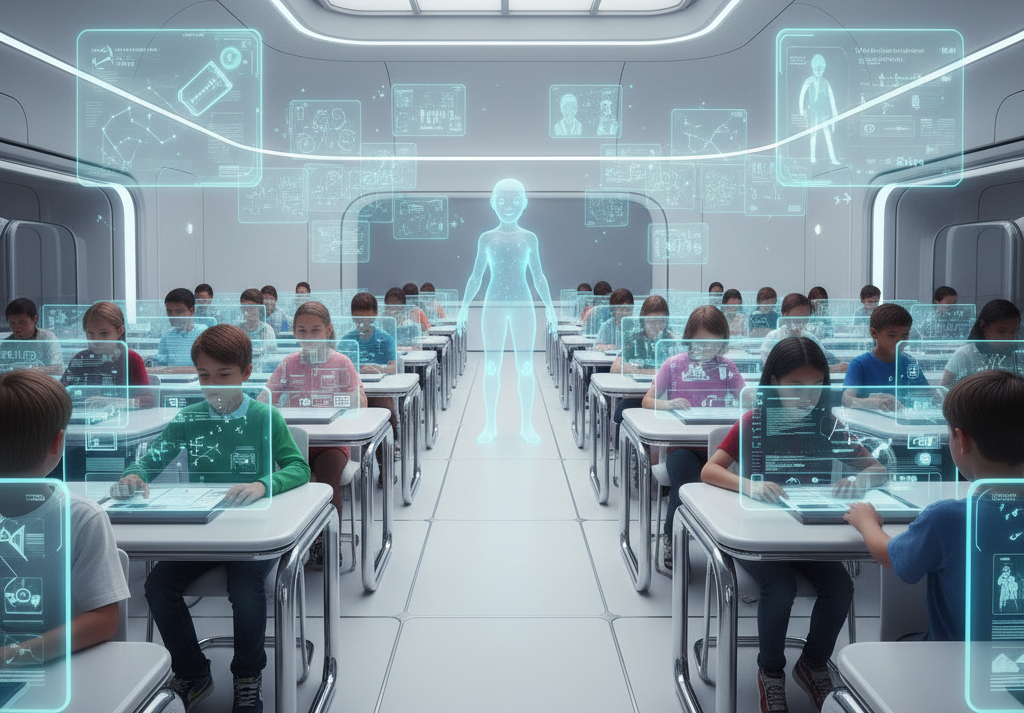
An AI agent for education is a smart software program designed to perform tasks autonomously to help students, teachers, and administrators. Unlike a simple search engine that just gives you a list of links, an AI agent can understand goals. It can plan out a study schedule, answer complex questions, or even help a student practice a new language.
Think of it as a digital teaching assistant that never sleeps. It uses agentic AI for education to take initiative. Instead of waiting for a student to fail a quiz, the agent might notice they are struggling with a specific topic and offer helpful resources immediately. This proactive approach changes the game entirely.
These agents are built to understand natural language. This means you can talk to them just like you would talk to a friend or a tutor. They can handle AI agents for student support in education by answering questions about campus life, financial aid, or enrollment deadlines instantly. This frees up human staff to handle more complex personal issues that require empathy and human judgment.
Feature | Traditional Chatbot | AI Education Agent |
Response Type | Pre-written scripts | Dynamic, thought-out answers |
Action | Can only answer questions | Can perform tasks (schedule, grade) |
Personalization | Low | High (remembers past interactions) |
Integration | Limited | Deep integration with CRMs |
The Rise of Personalized Learning
One of the biggest benefits of these tools is personalization. Every student learns differently. Some move fast, while others need more time to grasp difficult concepts. A human teacher with 30 students in a classroom simply cannot customize every lesson for every single child. However, AI agents for education can.
These agents analyze how a student interacts with learning materials. If a student breezes through math problems but gets stuck on word problems, the agent adjusts. It might offer more practice on word problems or explain them in a different way. This creates a custom learning path that fits the student perfectly.
This isn't just about grades; it's about confidence. When a student gets help exactly when they need it, they feel less frustrated. Cogniti is a great example of a platform that allows teachers to build custom agents. These agents can guide students through specific assignments, offering hints rather than just giving away the answers. This encourages critical thinking and helps students truly understand the material.

How AI Agents Integrate with Campus Systems
For universities and colleges, managing thousands of students is a massive logistical challenge. This is where AI agents for education that integrate with campus CRMs come into play. A CRM (Customer Relationship Management) system is where schools keep all their data about students.
When an AI agent connects to this system, it becomes incredibly powerful. Imagine a student asking, "When is my tuition due?" A standalone bot might just give a general date. But an integrated agent looks up that specific student's record and says, "Your tuition of $5,000 is due next Tuesday, and you can pay it right here."
This level of service is crucial for AI agents for education large-scale student support. Institutions like those using Element451 are leveraging these connections to drive enrollment and student success. The AI works alongside human teams, handling the repetitive data entry and basic queries so that staff can focus on building relationships. This seamless flow of information ensures no student falls through the cracks.
Empowering Teachers and Reducing Burnout
Teachers are often overworked. They spend hours grading papers, planning lessons, and managing administrative paperwork. AI agents for teachers act as a force multiplier. They can automate the tedious parts of the job, allowing educators to focus on what they do best: teaching and mentoring.
For instance, an agent can grade multiple-choice tests instantly. More advanced agents can even provide initial feedback on essays, checking for grammar and structure. This gives teachers a head start. Instead of reading an essay from scratch, they can review the AI's feedback and add their own expert insights.
Furthermore, agents can help with lesson planning. A teacher can ask an agent to "create a lesson plan about the Civil War for 8th graders that includes a group activity." The agent can generate a draft in seconds, which the teacher can then refine. This saves hours of preparation time every week.
Breaking Barriers with AI Voice Agents
Not everyone learns best by reading text on a screen. Some students are auditory learners, and others may have visual impairments that make reading difficult. AI voice agents for education are bridging this gap. These tools allow students to interact with learning materials using their voice.
Imagine a language learning app where you actually speak to an AI agent in Spanish, and it corrects your pronunciation in real-time. Or consider a history student who can "interview" a simulated historical figure powered by AI voice technology. These interactions make learning immersive and accessible.
Voice agents are also incredibly useful for younger students who might not be strong readers yet. They can ask questions out loud and get immediate answers, keeping their curiosity alive. This technology ensures that education is inclusive and accessible to everyone, regardless of their learning style or physical abilities.

Large-Scale Student Support
Universities deal with thousands of inquiries every semester. "How do I drop a class?" "Where is the library?" "How do I apply for housing?" Answering these questions manually takes a huge army of staff. AI agents for education large-scale student support are the solution.
These agents can handle thousands of conversations simultaneously. They provide instant, accurate answers 24/7. This is vital because students often study late at night when administrative offices are closed. By providing round-the-clock support, schools ensure students always have the help they need.
According to EdTech Magazine, autonomous agents are transforming student services by handling everything from support to administrative automation. This reduces wait times significantly. Students no longer have to stand in long lines or wait days for an email reply. The result is a better student experience and a more efficient university administration.
Preparing Students for the Future Workforce
Using agentic AI for education isn't just about making school easier; it's about preparing students for the real world. The future workforce will be full of AI tools. Students who learn how to collaborate with AI agents now will be ahead of the curve later.
By working with these agents, students learn "AI literacy." They learn how to ask good questions (prompt engineering), how to evaluate AI outputs, and how to use these tools to solve complex problems. These are critical skills for the 21st-century job market.
Schools that integrate these tools are essentially giving their students a competitive advantage. They are graduating students who are comfortable working alongside intelligent machines, which is exactly what employers are looking for.
Addressing Privacy and Ethics
Of course, we cannot talk about AI without discussing safety. Implementing an AI agent for education requires strict attention to privacy. Schools must ensure that student data is protected and not used for marketing purposes.
There is also the question of accuracy. AI agents can sometimes make mistakes or "hallucinate" information. That is why human oversight is essential. Teachers and administrators must monitor these tools to ensure they are providing correct and helpful information.
Additionally, we need to ensure these tools are fair. AI models must be trained on diverse data to avoid bias. We want to ensure that Getting Smart is correct when they say agents have the potential to personalize learning at scale but this personalization must be equitable for all students, regardless of their background.

The Future of the AI Education Platform
The technology is moving fast. Soon, we won't just see isolated tools; we will see complete AI education platform ecosystems. These platforms will host a network of agents that talk to each other. A "tutor agent" might talk to a "scheduler agent" to book a study session for a student before their next exam.
These platforms will become the central hub of the educational experience. They will track progress, suggest extracurricular activities, and even help with career planning. The AI tutor agent will evolve from a simple helper into a lifelong learning companion that grows with the student from kindergarten through college.
Institutions that embrace this shift will thrive. They will offer a superior educational experience that attracts more students and produces better graduates. The role of the educator will shift from being a "sage on the stage" to a "guide on the side," facilitated by these powerful digital assistants.
Bridging the Gap: A Smart Path Forward
To summarize, the integration of the AI agent for education is a monumental shift. It offers a viable solution to the chronic issues of resource shortages and lack of personalization in schools. By automating administrative tasks and providing tailored learning support, we allow humans to focus on connection and mentorship.
If you are an educator or administrator looking to modernize your institution, the path forward involves starting small but thinking big. Begin with support bots to handle FAQs, then graduate to personalized learning assistants. Ensure your data systems are ready for integration, and always prioritize student privacy.
For those who want to dive deeper into how technology can optimize your educational processes and explore more about innovative solutions, visit What AI Services.
Key Takeaways
- •
Personalization is Key: AI agents create custom learning paths, adapting to each student's pace and style.
- •
24/7 Support: These tools provide instant answers to student queries, day or night, reducing frustration.
- •
Teacher Aid: By automating grading and planning, agents reduce teacher burnout and free up time for mentoring.
- •
Seamless Integration: Connecting agents to campus CRMs ensures accurate, data-driven support for students.
- •
Future Readiness: Using AI in schools prepares students for a tech-driven workforce, building essential digital skills.